




Editor’s Note: Social media platforms are draining money from local journalism. Please keep local news alive. Support the Squamish Reporter with a small subscription.
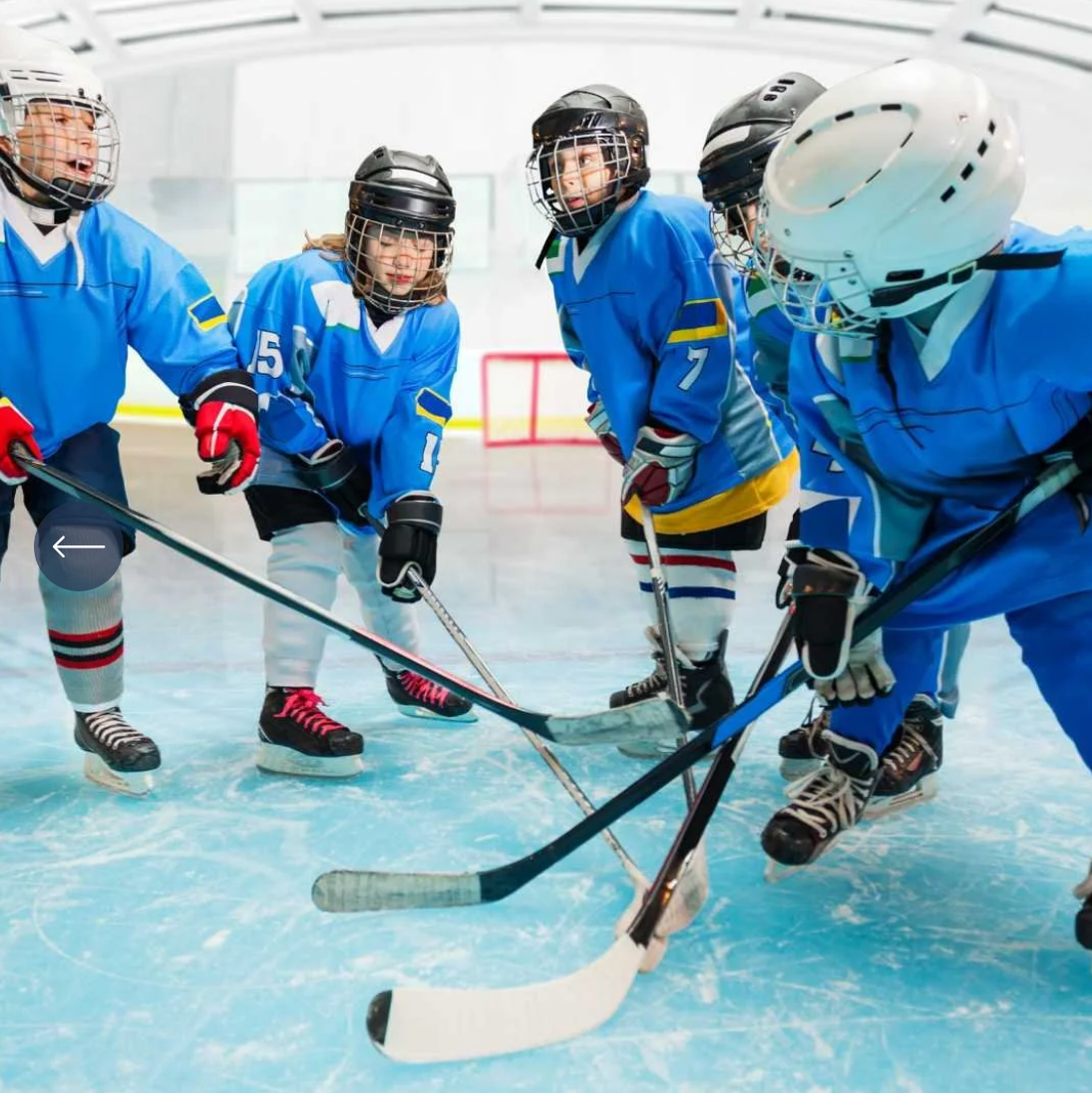
Families and sports groups in Squamish are urging the District to build a second ice rink, citing urgent shortages that are pushing kids and adults out of the sport. According to the grassroots initiative Second Rink Squamish, the sole rink in town can no longer meet demand as youth hockey, women’s leagues, adult recreation, and figure skating programs all compete for limited ice time.
Many residents have spoken out in frustration, and parents have come up with a petition to bring more ice sheets to Squamish. People can support the petition by signing it here.
Squamish, with a population of nearly 24,000, has just one ice sheet. Comparable B.C. communities of similar size have far more: Salmon Arm (16,065) has three, Cranbrook (20,008) has three, Fort St. John (21,123) has three, Port Alberni (21,711) has two, Duncan (24,358) has five, and Parksville (27,330) has two.
Second Rink Squamish says this shortage is leaving families with few options. The group points to several key issues:
-
Capacity constraints: Minor hockey is capped at just 24 players per birth year, leaving waitlists and excluding late joiners.
-
Programs blocked: Figure skating, speed skating, and power skating programs cannot expand due to lack of ice time.
-
Late schedules: Adult men’s and women’s recreational leagues often don’t start until 10:30–11 p.m.
-
Overcrowded practices: Youth hockey teams sometimes share ice with up to 50 people on the ice at once.
-
Travel burdens: Families are commuting to Whistler, North Vancouver, or beyond to find ice time.
Second Rink Squamish describes their effort as a grassroots campaign to raise awareness and push the District of Squamish and local partners to act. “It’s clear that Squamish needs a second rink,” the group states on its website.
Parents and Athletes Speak Out
Local families say the shortage of ice time is leaving children without opportunities and forcing them to look outside Squamish. “My son is 13 and as an attempted late joiner to hockey we have been trying to register him for a couple years now,” said Kristi R.
“The reality is he will never be able to join a team because of the dire lack of access to ice in Squamish.” Others report traveling to Whistler or North Vancouver for practices. “Two kids in hockey — just got home 10 p.m. from late night practice in the city,” said Anne J.
The impacts extend beyond hockey. Figure skating families say their children cannot get enough training time locally. “My daughter is a competitive figure skater and has to commute outside of Squamish to get sufficient ice time, which is unacceptable,” said Celine P.
Some parents say the lack of space is discouraging girls from joining teams. “My two girls wanted to join a hockey team but there was no female option, nor space on a co-ed team,” said Kristen W.
Residents also point to unreasonable schedules and overcrowded practices. “Nine-year-olds shouldn’t be practicing at 5:45 a.m. on a school day, sharing ice with more than one team,” said Calli P.
Others worry about the broader effects of capacity limits. “Having kids on waitlists to play sports at five or six years old is unacceptable,” said Perrine R. “When a teenager wants to play organized sports, we can’t put them on a waitlist and tell them we don’t have space.”
For many, the problem reflects a gap between community growth and infrastructure. “The arena has not changed since I played Ringette there 30 years ago. The population has doubled since then,” said Aileen R.
Another resident added: “Sports of all kinds are the key to building community and encouraging healthy childhoods. The District has a responsibility to keep up with growth and demand for recreation facilities.”


Not mentioned in this article is where the funding will come from. The existing hockey rink was part of a centennial project that was funded by the federal government, if I’m not mistaken.