







New survey reveals 73% say crime impacts quality of life as victims increasingly stop reporting incidents. British Columbians are living with persistent fear about safety in their communities, with nearly three-quarters saying crime and violence are affecting their daily lives, according to a new province-wide survey released Monday.

The poll, conducted by Research Co. for advocacy group Save Our Streets, found that 37% of respondents had been victims of crime recently, while 56% said they actively avoid certain areas in their communities out of fear for their safety.
The survey also revealed a widespread breakdown in trust, with 90% of British Columbians believing crimes go unreported across the province and among actual crime victims, and nearly half (48%) confirmed they had not reported their experience to authorities. Of those who didn’t report, 71% cited a lack of confidence in the justice system as the reason.
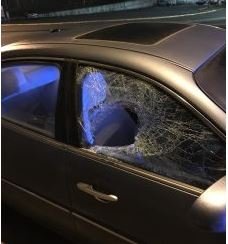
“Despite some authorities saying progress is being made, British Columbians are not feeling or seeing any difference in their communities,” said Jess Ketchum, co-founder of Save Our Streets. “What they are seeing is residents of their community continuing to be victimized, stores having their windows smashed, other stores closing, and the rights of repeat offenders being placed above their right to go outside their home and not fear for their safety.”
The survey found that 53% of respondents fear for the safety of their families in their communities, while an overwhelming 87% believe addiction and mental illness contribute significantly to crime and public safety issues.
The findings come 18 months after Save Our Streets’ first survey showed similar concerns about how government, law enforcement, and the healthcare system were addressing public safety, retail crime, and mental health issues.

Despite the outlook on current conditions, British Columbians showed strong support for new approaches to addressing underlying causes. Between 72% and 84% of respondents backed various measures, including investing in enhanced treatment facilities, launching education campaigns about drug use, creating more rehabilitation spaces, providing housing for those entering recovery programs, and allowing people with addictions to avoid incarceration for minor crimes if they complete detoxification and recovery programs.
“British Columbians recognize that mental health and addictions are a primary cause of much of the public safety issues in their communities and that those are health issues,” Ketchum said, calling on federal and provincial governments to implement “transformative changes and the continuum of care that British Columbians struggling with these health issues deserve.”
The survey of 1,210 B.C. residents was conducted province-wide from Jan. 26-28, with a margin of error of plus or minus 2.8 percentage points, 19 times out of 20. Save Our Streets is a coalition of more than 120 community and business organizations from across British Columbia.
