





When Sean Easton and his family were bounced between rentals in Squamish, living in a trailer, evicted once after a landlord returned, then forced out when a water main blew in a third place, his wife drew a line. “I can’t live like that anymore,” she told him. “I need stability.”
That personal housing struggle eventually sparked DWIFT Housing, a nonprofit that’s now working to solve Squamish’s affordability crisis through an unconventional model: acting like a private developer, but selling homes at cost.
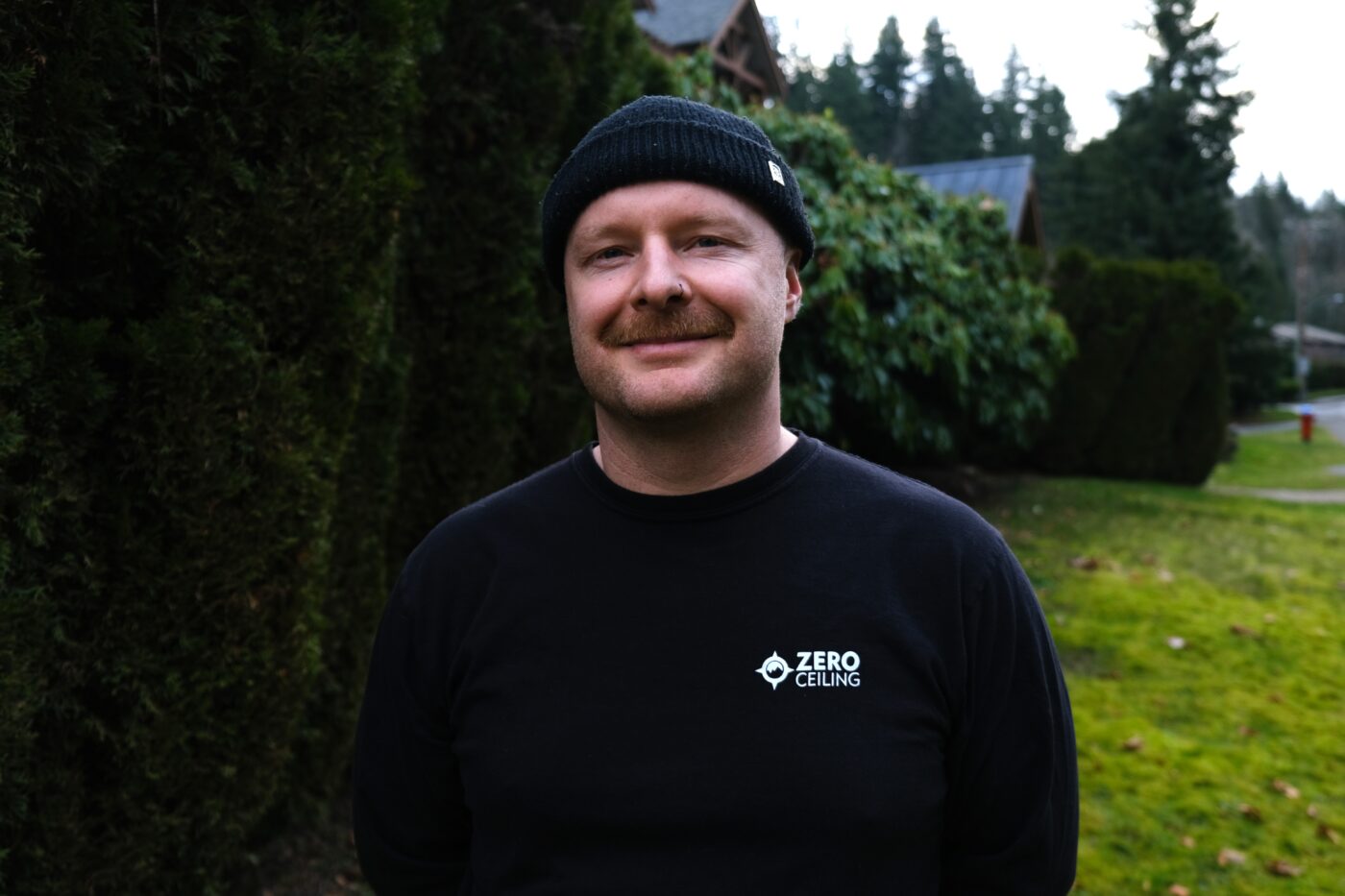
Easton, also the executive director at Zero Ceiling Society in Whistler, drew on his construction background to build his own 3,000-square-foot multi-generational home that houses seven family members. The experience taught him that affordability was possible through tight budgets, simple design, and space-efficient planning. “We pay less for our mortgage than most people pay for rent,” he says.
But as housing costs continued to climb, Easton wondered how he could help the community. The answer became DWIFT (Do Whatever It Fundamentally Takes), founded with his brother Brett Easton and local home builder Karl Bilodeau.

The concept is straightforward. Buy land and control costs like a private developer, but operate as a non-profit, and sell homes at cost. Easton explained that the non-profit status also allows DWIFT to secure lower-interest-rate loans, further driving affordability.
DWIFT is targeting households at the average income level, as these families earn too much for subsidized rental housing but can’t afford market rates. Their goal is housing that costs less than 30% of gross household income, filling a critical gap in Squamish’s housing market.
The organization received federal funding through the Community Housing Transformation Centre for a feasibility study, which confirmed their model is scalable and resilient against government defunding, as it doesn’t rely on any government grants.
The biggest challenge, so far, has been finding land. DWIFT needs properties large enough for 20-50 units to hit affordability targets. So far, they’ve made several offers that didn’t work out, learning patience along the way.

Last year, DWIFT applied to purchase a portion of municipal owned land in the Squamish Buisiness Park, but never received a formal response from the District of Squamish. The district has since sold half of the 17 acre property to Solterra Acquisitions Corp, for $13.27 million. The experience prompted DWIFT to create a petition calling for resident involvement in public land decisions, which has garnered nearly 1,000 signatures.
For Easton, who came to Squamish as a raft guide and stayed to raise his daughter, this work is personal. “I want my daughter to grow up in a place that has amazing amenities and an inclusive culture,” he says. “I think it should come from the people.”
After several close opportunities, DWIFT is still searching for the right property at the right price. “One of the big lessons I’ve learned is patience,” said Easton.

THE GOV. SHOULD DONATE LAND AND POSSIBLY SOME PRIVATE LANDOWNERS.
If you could approach trade and construction businesses to donate a set amount of hours to help out at cost of materials, this would really help.