




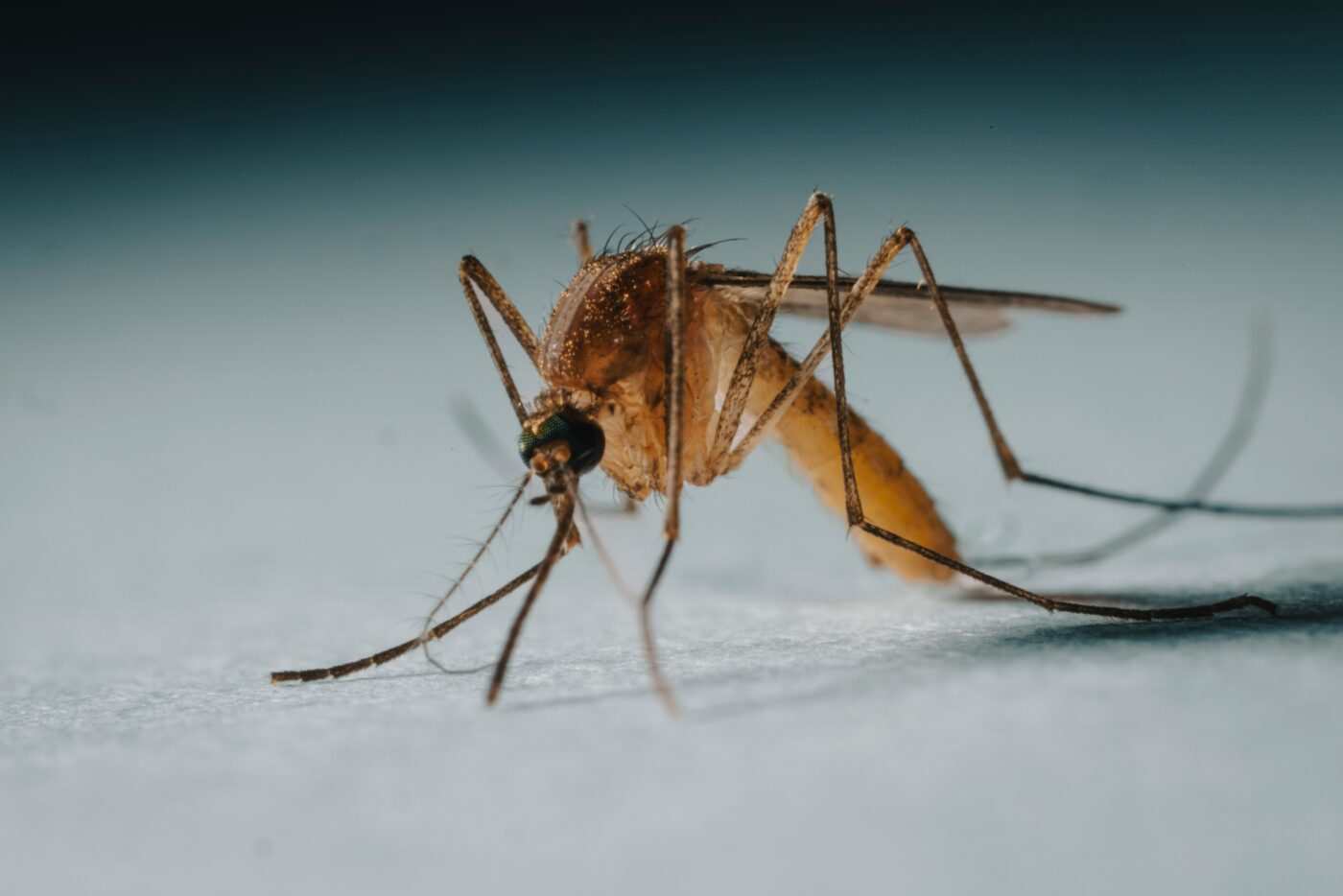
Health researchers have confirmed that mosquitoes carrying California serogroup virus, which sometimes causes brain swelling, are present in the Sea-to-Sky corridor, following a cluster of serious illnesses in three children.
 The BC Centre for Disease Control, working alongside Squamish Nation, Lilwat Nation, Vancouver Coastal Health and UBC, launched a surveillance project after three children in the Sea-to-Sky region were hospitalized with encephalitis, or swelling of the brain, in August 2024. The illness was caused by California serogroup virus, a group of mosquito-borne pathogens that most people never know they have but that can, in rare cases, cause serious neurological illness.

Between June and August 2025, researchers set traps at 11 sites from Squamish to Pemberton, collecting 2,575 mosquitoes from 27 different species. Two of those species tested positive for the virus. One of them, Culex pipiens/restuans, is the northern house mosquito, a species not native to this region. West Nile virus was not detected in any of the samples.
“As part of a pilot project, we collected and identified mosquitoes along the Sea-to-Sky corridor, from Squamish to Pemberton, looking for invasive and endemic mosquito species,” said Dr. Anya F. Smith, principal investigator and senior scientist with the BCCDC. “Two of the mosquito species that we tested showed positive results for California serogroup virus, a group of mosquito-borne viruses that can cause illness in people.”

Squamish Nation and Lilwat Nation were partners throughout the project, with community leaders sharing knowledge of the land and helping choose sampling locations. Researchers also met with Squamish Valley Elders and attended a Lilwat Nation open house in May to share the results directly with communities.
BCCDC vector specialist Stefan Iwasawa said the findings underscore why this kind of work matters going forward.
“The pilot project gave us a snapshot of what’s happening with mosquitoes in one part of BC,” Iwasawa said. “With climate change causing temperatures to rise, we may see an increase in our exposure to mosquitoes.

Having a better understanding of the mosquito species that people living in BC are likely to encounter, and the viruses some of them can carry, will help inform preparedness, prevention and response efforts.”
Officials stress that the overall risk of serious illness remains low. There were 15 known cases of California serogroup virus across all of BC between 2009 and 2024, and none in the Sea-to-Sky corridor last year. As of May 15, 2026, it became a reportable condition in BC.
Dr. Ceinwen Pope, medical health officer for Vancouver Coastal Health, summed up the takeaway for residents. “While the risk of serious illness from mosquito-borne viruses remains low in the Sea-to-Sky area, this project highlights the importance of ongoing monitoring and taking practical steps to prevent mosquito bites, like reducing standing water near your home, using approved bug spray, and wearing light, protective clothing.”
To reduce risk this summer, health officials recommend using Health Canada-registered repellents containing DEET or Icaridin, wearing light-coloured, long-sleeved clothing especially around dawn and dusk, and eliminating standing water around your home, including in flowerpots, rain gutters and pool covers.