







Editor’s Note: Support the Squamish Reporter with a small subscription
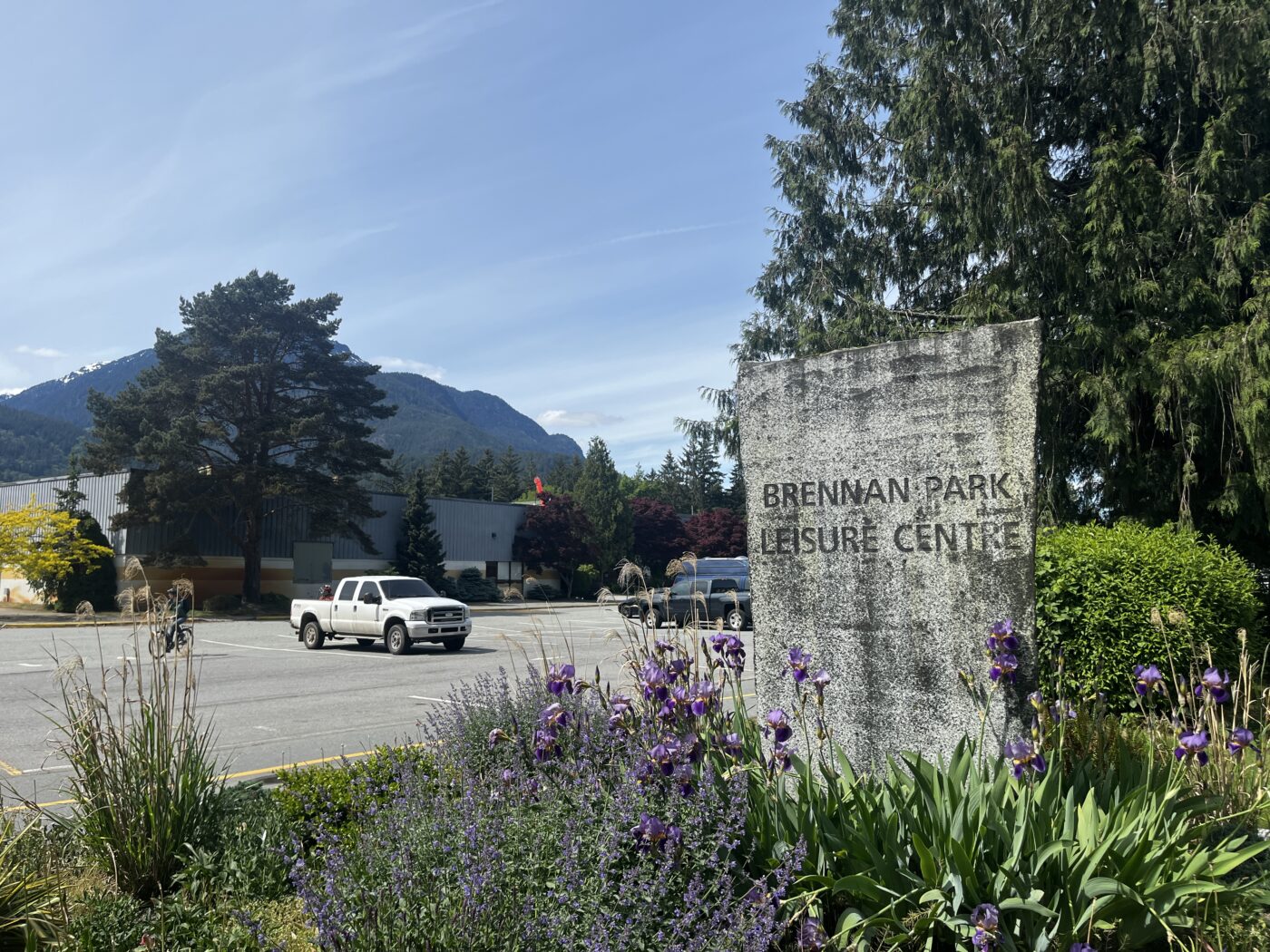
Kelly Ann Woods settled in at Brennan Park recreation centre in April, ready to put in a few hours of remote work while her child swam. She pulled out her laptop, went to connect to the WI-Fi, but found nothing to connect to.

After asking staff at the front desk, Woods said she was informed there was no longer public Wi-Fi access at Brennan Park, and no word on when it might be reinstated.
On April 25, 2026 Woods emailed the District asking about the lack of WI-FI at Brennan Park. A few days later, on April 30 Mandy Foster, the Manager of Recreation services, emailed Woods back saying the District was prioritizing the reinstatement of WI-FI, and was “fast-tracking this initiative.”

Woods said she expected that to mean a clear plan was underway. Over the following weeks, Woods sent several follow-up emails to the District, some of which went unanswered for weeks, seeking specifics on the project’s timeline and status.
In an email statement to the Squamish Reporter, the District explained that prior to the renovation, a free public WI-FI service had been offered at no cost to the District by a third-party vendor.

“In April, the vendor informed the District that the free service was no longer available,” the District said. “As a result, District staff began work to procure a new solution to provide the same level of service to patrons.”
On May 6, Woods emailed the District saying the public deserved a more “meaningful understanding of when this infrastructure might actually be delivered.” She asked for specifics on the current procurement stage, if a request for proposal (RFP) or request for quote (RFQ) had been issued, the expected procurement completion timing, if implementation was anticipated for 2026, if council formally directed or approved an accelerated rollout, and the name of the project lead.

That email went unanswered. On May 26, Woods sent a follow-up outlining the same questions.
On May 29, Foster replied, apologising for the delayed response. The email said the project was still in the internal scoping and requirements-definition stage, with no RFP or RFQ issued. It said the District had met with a vendor as “part of early exploratory work” and they were waiting on a quote, something Foster noted was “standard pre-procurement” and didn’t indicate a vendor being chosen.

Foster confirmed the IT team was leading the project, and that procurement timeline was still not finalized. Foster noted that it was “still possible” the project was completed in 2026, but it depended on “procurement, vendor availability, and the final technical design.”
Foster also said that “Fast‑tracked refers to prioritization within staff workloads, not bypassing required internal processes or procurement rules.”

Woods responded to the email a few days later outlining her dissatisfaction.
“To be candid, I find this update deeply disappointing,” Woods wrote back in an email. “It took more than three weeks to receive a response and, after reading it, I am left with the impression that there is effectively no project.”
On June 10, the District told the Squamish Reporter in an email statement that procurement was still underway, and there was not yet a clear timeline for its completion. This is consistent with the response Woods received on May 5 from Foster, which said “We [The District] will not have a timeline until the procurement process has completed.” The District also described the situation as “an unplanned and unbudgeted item,” reframing the project not as a deliberate upgrade but as an unexpected gap the District is still working to fill.
In an interview, Woods told the Squamish Reporter that throughout her email correspondence with the District she felt they were “just hoping I would go away, and hoping they go away isn’t going to solve the problems we’re facing in town.”
For Woods, the situation goes beyond simply installing WI-FI at Brennan Park, and is indicative of larger problems within the District. Woods noted that her concern extended beyond her own need to work remotely, pointing to the range of people who rely on the facility daily, coaches, community organizations, youth programs, and residents who may not have reliable internet access elsewhere.
“If it’s a struggle to provide Wi-Fi at a public recreation centre, it leads me to have deeper concerns about our ability to manage bigger community priorities and projects,” Woods said.
“I can handle a no. What’s difficult is getting no clear answers at all, just vagueness.” Woods said. “It’s not about prioritizing Wi-Fi over housing or healthcare, it’s about communication and accountability.”
Editor’s Note: Support the Squamish Reporter with a small subscription
