


A Squamish dementia support program, the Making Connections Community Society, is partnering with the Alzheimer’s Society of BC to host two community workshops in Squamish on May 15, marking what organizers hope will be a turning point in increasing dementia support for the Sea to Sky corridor.
 Making Connections, the only free weekly program in Squamish that welcomes both people living with dementia and their caregivers, will host both events at Westwinds.
The morning session, running from 10 a.m. to 12 p.m. is designed specifically for caregivers of those with dementia. It will focus on how communication changes throughout the course of the illness.
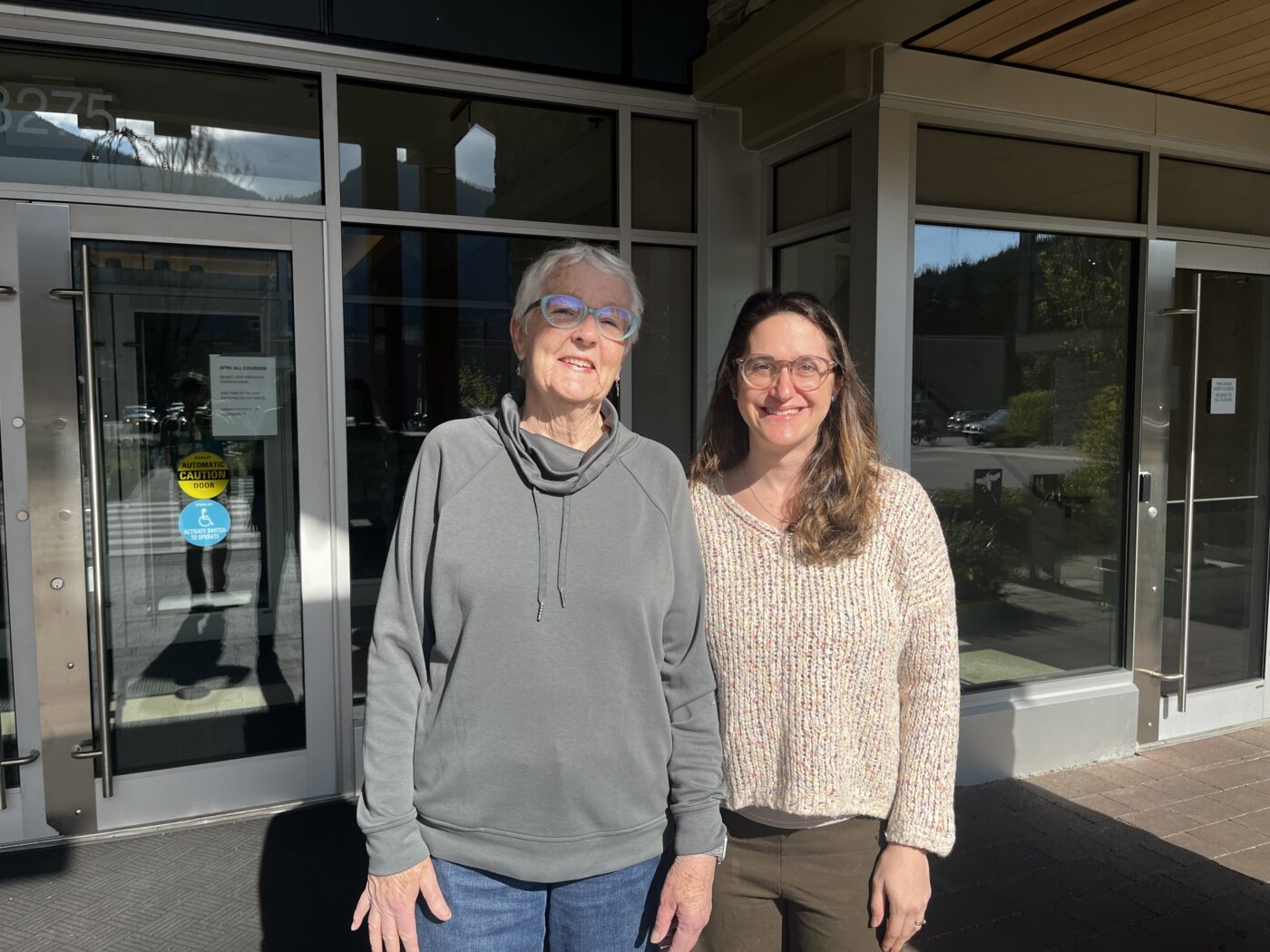
Program coordinator Bruna Tabak says the day is designed so caregivers can attend the workshops while their loved ones participate in their regular programming next door.
“The caregiver can join the workshop and learn from that with peace of mind,” Tabak said.

Tabak explains that because dementia affects different parts of the brain depending on the type, the changes people experience can vary widely, from difficulty understanding language, to memory loss, to shifts in perception that can lead to behavioral changes. The workshop will cover strategies that caregivers can use to stay connected with their loved ones as the illness progresses. Space is limited to 45 people and registration is being handled through the Alzheimer’s Society of BC.
The afternoon session, running from 2 to 3:30 p.m., is open to the whole community and will focus on building a dementia-friendly Squamish. Tabak says she envisions changes that go well beyond health services.
“Not only changes in the health support services, but the whole town, so the district with the infrastructure, with the recreational services, with the restaurants,” Tabak said.
Registration for the afternoon session is being handled by Making Connections directly, and nearly 30 of the 45 available spots have already been filled.
 Tabak has been pushing for greater support in the region, she says the Alzheimer’s Society hasn’t historically offered as much support in Squamish and the wider Sea-to-Sky region due to low uptake in previous initiatives. Tabak hopes the response to these workshops will help make the case otherwise.
“I think this could be a first step so they can see there is a demand here,” she said.
Currently, Making Connections is one of very few options available locally. Other programs are either paid, run only once or twice a month, or serve only caregivers rather than both the caregiver and the person with dementia together. Since a day program at Hilltop House closed, Tabak says many families have had nowhere to turn for regular respite or shared activities.
“The social part was the most important thing that people felt about the program. It’s about meeting people, socializing, being less isolated,” said Tabak.
Recent feedback from participants at making connections backed this up. A survey on Making Connections’ regular programming found that the connection aspect and reducing isolation were the most important things people got from attending. Tabak says she hopes to eventually expand the program to more days of the week and has plans to bring in more specialist presentations.
Those interested in signing up for the morning workshop must call the First Link Dementia Helpline at 1 800 936-6033 to register.
For those interested in the afternoon workshop on dementia-friendly communities, contact Making Connections directly at SquamishMakingConnections@gmail.com to register before spots fill up.