


As Squamish approaches an important municipal election, we must consider not only the issues facing our community, but also the leadership needed to address them.
The next mayor and council will inherit enormous responsibilities, including managing growth, housing, infrastructure, recreation, transportation, environmental protection and the financial pressures facing a rapidly growing community.
A significant financial opportunity
The property-tax revenue expected from Woodfibre LNG will give the next council an opportunity—and an obligation—to examine the District’s financial position and how this new revenue should be used.
The objective should not simply be to find new ways to spend more money. Council should consider how this revenue could reduce pressure on residential taxpayers, pay down municipal debt, strengthen reserves and fund essential infrastructure.
Council must treat every dollar collected from taxpayers with respect. Council must distinguish between what the community wants and what it genuinely needs, while ensuring residents receive the best possible value.
The central question is whether today’s decisions will give future councils greater financial flexibility or leave them with greater financial problems.
Looking ahead on Woodfibre LNG
Woodfibre LNG has been approved and is moving forward. Although many people still have concerns about the project, Squamish must now focus on managing its impacts and securing lasting benefits for the community.
The project will generate construction activity, jobs, business opportunities and property-tax revenue. The District will receive substantial tax revenue while providing comparatively few municipal services to the site. That places Squamish in an unusual and potentially valuable financial position.
Instead of beginning with, “What can we spend this money on?” council should ask:
- How much can be used to reduce the burden on residential taxpayers?
- How much should be directed toward debt and reserves?
- Which infrastructure investments will provide the greatest long-term benefit?
- How can we avoid creating financial obligations for future councils?
That is fiscal responsibility.
Remembering who council represents
I had the privilege of serving as a District of Squamish councillor, chair of the Squamish-Lillooet Regional District and chair of the BC Assessment Review Panel for the Sea to Sky region.
Those roles gave me an appreciation for the complexity of local government and the responsibility elected officials carry. Councillors must balance staff advice, competing priorities, community expectations, taxation and the views of their council colleagues.
But they must always remember who they ultimately work for: the public.
Elected officials have a duty to listen to residents, including those with whom they disagree. They must remain connected to the people who placed them in office.
Leadership for the next chapter
Squamish faces serious challenges, from housing insecurity and strained infrastructure to transportation, recreation and environmental protection. Addressing them will require cooperation, compromise and thoughtful governance.
Our responsibility now is to ensure Squamish does not simply absorb the impacts of Woodfibre LNG, but receives meaningful and lasting benefits from the economic activity associated with it.
Rather than continuing to divide ourselves over whether the project should exist, we should ask a more constructive question: How do we make sure Squamish emerges stronger?
That will require disciplined spending, long-term planning and the courage to reject expenditures that may be desirable but are not financially responsible.
A message to candidates
Several potential candidates have contacted me for advice and support. I encourage anyone seeking office to speak with former councillors and others who have served in local government.
Being elected is only the beginning. The real responsibility lies in learning to listen, work with people who hold different views, understand the role of staff, and remain accountable to the community.
This election will shape how Squamish manages growth, housing, infrastructure, the environment, taxation, debt and economic opportunity.
We should learn from past disagreements, turn the page and concentrate on building the strongest community possible. That does not mean abandoning our principles. It means recognizing when circumstances have changed and having the courage to move forward.
Thank you to everyone putting their name forward to serve our community. Seeking public office requires courage, commitment and a willingness to accept a considerable responsibility.
Let’s turn setbacks into comebacks.
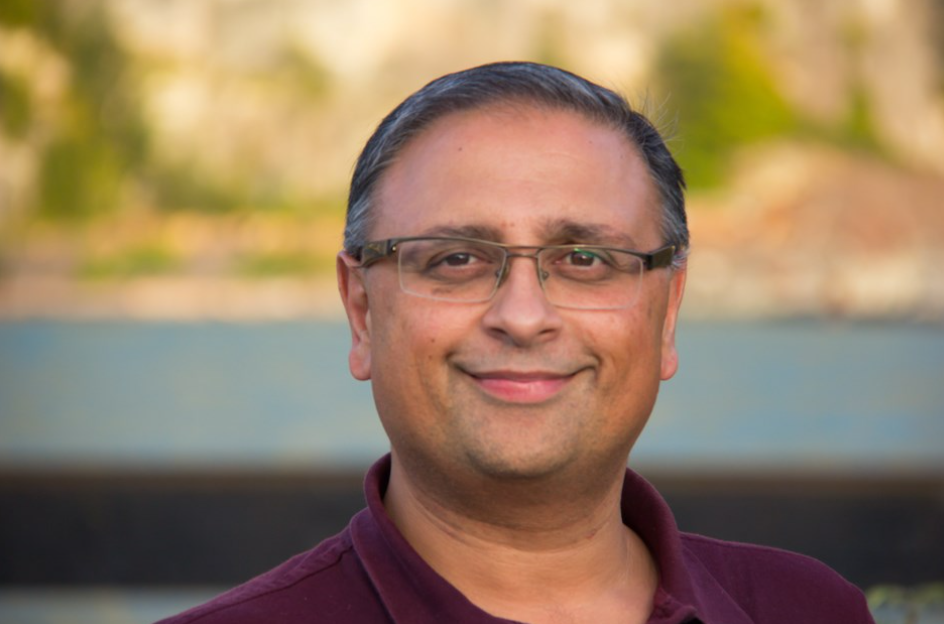
Paul Lalli is a former District of Squamish councillor, former chair of the Squamish-Lillooet Regional District and former chair of the BC Assessment Review Panel for the Sea to Sky region.
