


Mayor and council should vote no on the proposed Woodfibre LNG agreement.
They should do so for two reasons: the agreement does not guarantee the lasting community benefit Squamish should expect from industry, and the timing and process do not allow meaningful public participation.
We are less than six weeks from having a new mayor and council, yet our community is being asked to accept one of the most consequential financial decisions of our generation under duress.
A lasting community benefit
My chief concern with this deal is that Squamish will not have anything to show for it in the long term. I cannot help but see this as Squamish repeating history.
We are a town whose foundations are grounded in industry. The forestry industry for years provided good jobs and a strong tax base, but it did not leave behind enough lasting investment in our community. Without concrete investments in capital projects that met the community’s core needs, many of the benefits of industry disappeared when the mill closed. In its wake, our community was left with environmental degradation, a strained municipal budget, and inadequate infrastructure and amenities.
I am not convinced that an agreement bringing in an average of $14 million a year will make a significant enough contribution to the needs of this town. This is especially concerning when our local government has not demonstrated their ability to deliver capital projects on time and on budget.
The last two capital projects managed by the District exceeded their budgets by more than $20 million. Given that record, it is not hard to imagine this revenue being absorbed by cost overruns without producing a lasting community asset that residents can see and use. My apprehension is that we will lock ourselves into an agreement that, even if competitive, is still insufficient to advance clear community priorities.
Council should vote no so the agreement can be reconsidered in partnership with Squamish residents. Rather than directing this money into general revenues through processes that have not reliably met community needs, we should negotiate an agreement that commits the funds to a community-selected legacy project: a lasting capital asset that serves Squamish residents now and for generations to come.
We need to ensure that the benefits industry brings continue to serve Squamish long after that industry leaves. In my conversations with residents, the need I hear most often is for improved recreational amenities – with a second sheet of ice, updated pool facilities, and improved change rooms.
Furthermore, to protect our natural environment and the health of residents, Woodfibre LNG needs to be accountable for upholding their environmental commitments and any deal should include robust environmental monitoring capabilities.
Concerns about the process
My second concern is how this decision is being made. To justify the urgency, the District of Squamish’s FAQs present the timing as necessary. The District’s information sheet states that the decision must take place before the municipal election for the revenue to be included in the 2027 financial year. This timeline inherently limits how much the public can participate in the process.
The District’s messaging also states that negotiations are complete. But rejecting this agreement could create an opportunity for further negotiations with Woodfibre LNG. Negotiation is a process of parties declining proposals and returning to the table until they achieve mutual benefit. Presenting the current proposal as though there is no room for further discussion is misleading and does not serve the Squamish community.
Making such a consequential decision under duress and without meaningful public engagement is irresponsible. Decisions like this erode trust in our local government. This alone should be enough for mayor and council to vote no on the agreement.
A meaningful say for residents
A no vote would give the next mayor and council an opportunity to lead a more fulsome process with meaningful public engagement. Incorporating the community’s perspectives and needs is the best way to ensure that Squamish gets the agreement it needs.
This possibility begins with the current mayor and council recognizing the value of our resources and respecting community members’ right to participate in decisions that directly affect them. Voting no would show the community that council is listening and is willing to fight for what Squamish needs and deserves. It would also demonstrate trust in residents to elect a mayor and council capable of continuing negotiations in the community’s best interests.
A councillor told me that comments submitted through the DOS’s engagement link are not shared directly with council. If mayor and council are not seeing residents’ submissions, that raises a serious question about how meaningful this engagement process really is. In the meantime, I encourage Squamish residents to email the mayor and council directly at council@squamish.ca and make their views on the proposed agreement known before the vote.
For these reasons, I am asking the mayor and councillors to vote no on September 22 and give the community a meaningful say in the agreement and in what Squamish will have to show for it long after the industry has left.
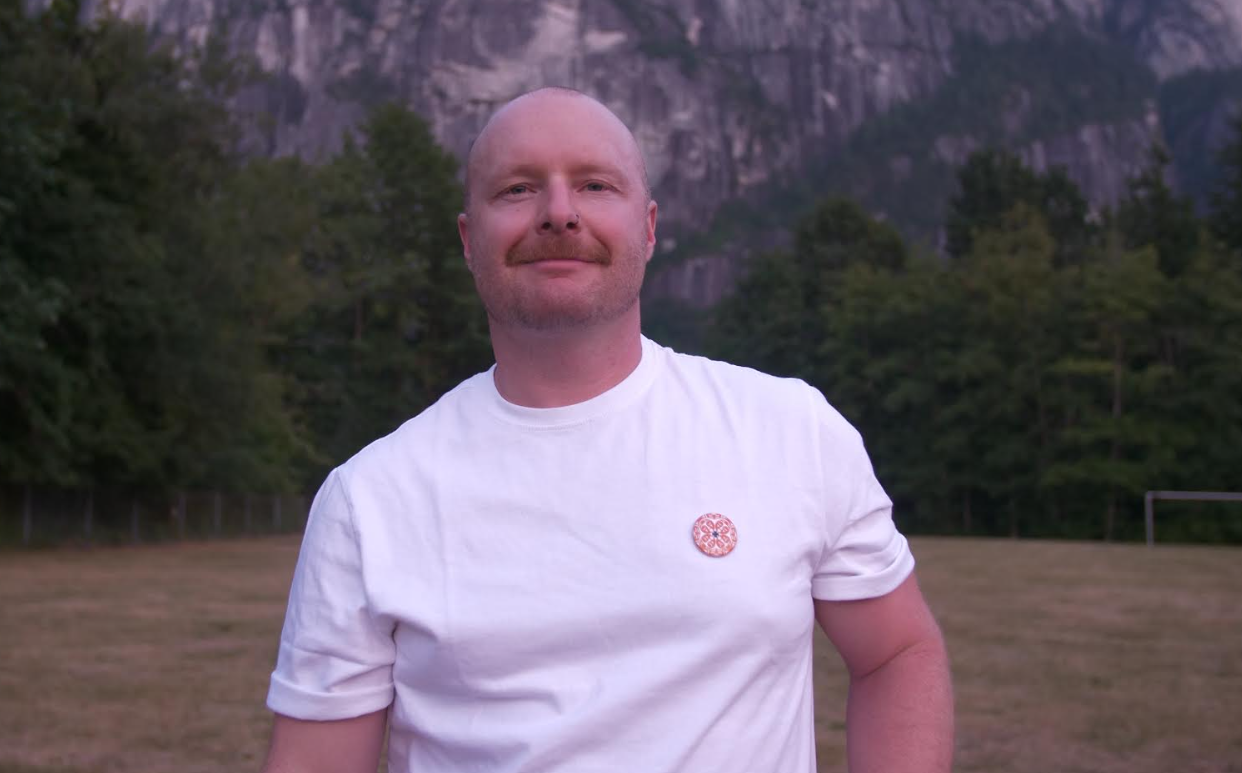
Sean Easton is a candidate for mayor in the 2026 Squamish municipal election. The views expressed are his own.
